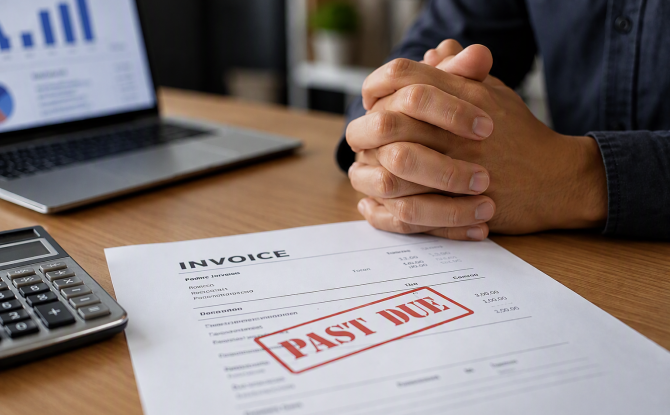
Late payments – is your business protected?
For many small and medium-sized businesses, the biggest threat to profitability (and sustainability) is not a lack of work, it is getting paid on time.
Cash flow problems caused by overdue accounts can affect the ability of a business to pay suppliers, meet payroll obligations, invest in growth and maintain profitability. If one business fails, that has consequences for other businesses, creating a domino of insolvencies and it is particularly catastrophic when owners or directors have personally guaranteed the debts of the business.
While good commercial relationships are important, businesses should also ensure they have the right legal protections in place before problems arise.
PREVENTION IS BETTER THAN RECOVERY
The easiest debt to recover is the one that was properly documented from the beginning.
Many businesses still rely on verbal agreements, email exchanges or informal quotes when supplying goods or services. Unfortunately, these arrangements can become difficult to enforce if a dispute arises.
Well drafted T&Cs should clearly address matters such as:
- payment terms;
- interest on overdue accounts;
- retention of title;
- limitation of liability;
- dispute resolution procedures;
- recovery of legal costs; and
- termination rights on default.
Having these provisions in writing can significantly strengthen your legal position if payment is not made.
Many businesses have not reviewed their trading terms (if they even have them) for several years. Changes in legislation, court decisions and business practices mean that outdated contracts may no longer provide the level of protection they once did.
A regular legal review can identify gaps before they become expensive disputes.
IT PAYS TO ACT EARLY
One of the most common mistakes businesses make is waiting too long before taking action. Early intervention often results in quicker resolution and lower recovery costs.
The longer an account remains unpaid, the less likely it is to be recovered. Businesses should have clear internal credit control procedures, including:
- issuing invoices promptly;
- following up overdue accounts consistently;
- sending formal letters of demand where appropriate; and
- obtaining legal advice before debts become difficult to recover.
DIRECTOR DUTIES
For company directors, cash flow issues can create additional legal risks. Continuing to incur debts when a company is unable to pay its existing liabilities may expose directors to claims relating to insolvent trading under the Corporations Act 2001 (Cth) and breach of other director duties.
Directors experiencing financial pressure should seek professional legal and accounting advice as early as possible. Early restructuring or negotiated commercial solutions are almost always preferable to allowing financial difficulties to escalate.
STRONG CONTRACTS PROTECT MORE THAN CASHFLOW
Commercial contracts do much more than record the agreed price. Well-prepared agreements can reduce misunderstandings, allocate risk appropriately, establish clear dispute resolution processes and protect valuable business relationships.
Whether you are engaging contractors, supplying goods, providing professional services or entering long-term commercial arrangements, investing in professionally drafted agreements is often far less expensive than resolving disputes after they arise.
HOW WE CAN HELP
Every business is different, and contracts should reflect the specific risks of your industry.
The McKillop Legal team assists businesses with:
- preparing and reviewing commercial contracts;
- drafting Terms and Conditions of Trade;
- partnership and shareholder agreements;
- debt recovery and letters of demand;
- contract disputes;
- business sales and acquisitions; and
- general commercial legal advice.
A proactive legal review today can help prevent costly disputes tomorrow.
This information is general only and is not a substitute for proper legal advice. Please contact McKillop Legal to discuss your legal concerns or objectives.